Around one and a half million people in the UK are now estimated to be using GLP-1 weight-loss medications such as Mounjaro and Wegovy. Many people on them find their appetite changes completely: full after a few mouthfuls, and unsure how to eat well when they're barely hungry.
An important note first: we're a meal prep kitchen, not doctors or dietitians. This post is about practical food ideas, not medical advice. Your prescriber, GP or a registered dietitian should guide how you eat on any medication, and if you're having side effects, speak to them.
When you eat less, quality matters more
If you're eating half as much as you used to, each meal has to do more work. A plate of mostly refined carbs or ultra-processed food leaves little room for the protein, fibre, vitamins and minerals your body still needs. The aim is smaller meals that are dense in nutrients rather than just calories.
Put protein first
NHS and specialist guidance for people losing weight often emphasises getting enough protein, which helps you hold on to muscle. On a small appetite, a practical trick is to eat the protein part of your meal first, before you fill up on the rest.
- Chicken, fish, eggs, lean meat, Greek yoghurt, cottage cheese, tofu, beans and lentils are all good options.
- Spread protein across the day rather than trying to fit it all into one meal.
- A small high-protein snack, like yoghurt or a boiled egg, can fill gaps on days when meals are tiny.
Don't forget fibre
Some people find their digestion changes on these medications. Fibre from vegetables, oats, wholegrains, beans and fruit, plus enough water, supports regular digestion. Increase it gradually. Our post on fibre has easy ways to eat more.
Smaller portions, more often
Many people find three small meals and a couple of snacks easier than trying to finish a full plate. Using a smaller plate or bowl helps the portion look like a meal rather than a sad corner of a dinner plate.
Eat slowly and stop when you are full
Fullness signals can come on quickly and strongly. Eating slowly and stopping as soon as you feel satisfied, rather than finishing the plate out of habit, tends to make meals more comfortable. It's fine to save half for later.
Go easy on very rich, greasy food
Lots of people report that very fatty, heavy or fried meals sit badly when their appetite is reduced. Lighter cooking, like grilled, roasted or poached food with plenty of vegetables, is often easier to manage.
Keep drinking
When you're not hungry it's easy to forget to drink too. Sip water through the day rather than drinking a lot with meals, which can make you feel full faster.
How a meal prep service can help
When your appetite is small, cooking a full meal and then managing a few bites can feel wasteful and deflating. Having a selection of balanced, ready-made meals in the fridge means you can eat a portion, keep the rest for later, and not have to think about it.
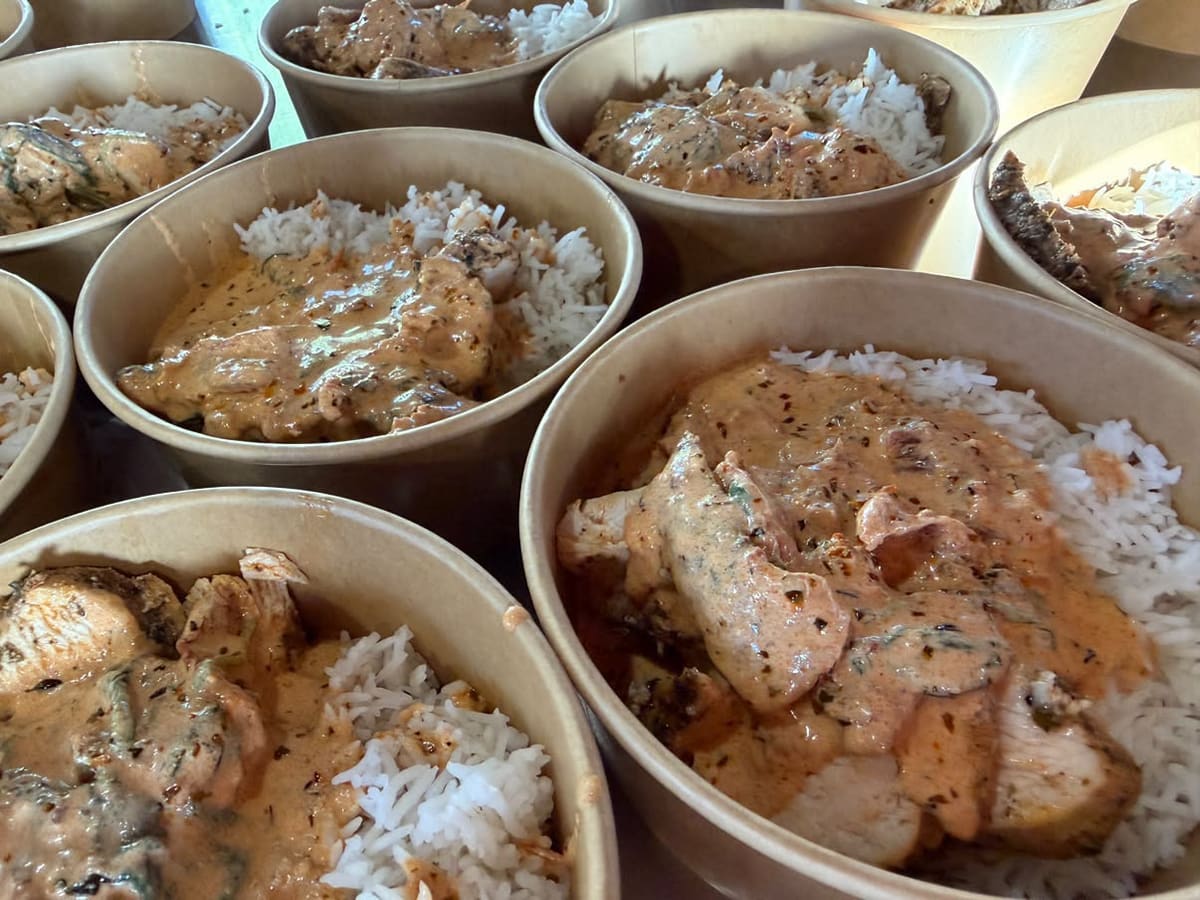
Our meals are built around quality protein and vegetables and cooked from whole ingredients, with nothing ultra-processed. Lighter options like poke bowls and our high-protein meals are a good fit for smaller appetites, and overnight oats make an easy, gentle breakfast. Browse the monthly menu or see where we deliver.
Whatever you choose, keep your healthcare team in the loop. They can tailor advice to you in a way no blog post can.
Quick answers
Are Root & Fuel meals designed for GLP-1 users?
Our meals are not designed for any specific medication. They are balanced, whole-food meals built around protein and vegetables, which many people with smaller appetites find useful. Always follow your prescriber’s advice.
Should I change my diet when starting a weight-loss medication?
Speak to your prescriber, GP or a registered dietitian. They can give advice based on your health and the medication you are taking.