'Ultra-processed' has become one of the most talked-about phrases in food. It's also one of the most misunderstood. Plenty of people assume it means anything that's been cooked, chopped or put in a packet. It doesn't, and understanding the difference makes shopping a lot less confusing.
Where the term comes from
The idea comes from a system called NOVA, developed by researchers in Brazil. Rather than grouping food by nutrients (fat, sugar, salt), it groups food by how much it has been processed. There are four groups.
The four NOVA groups
- Group 1, unprocessed or minimally processed: fresh fruit and vegetables, eggs, meat, fish, milk, plain oats, rice, dried beans. Things that have been washed, cut, frozen or dried but are otherwise as they grew.
- Group 2, processed culinary ingredients: oil, butter, salt, sugar, flour. Things you cook with rather than eat on their own.
- Group 3, processed foods: made by combining groups 1 and 2. Tinned vegetables, cheese, cured meats, freshly baked bread. Usually two or three ingredients you would recognise.
- Group 4, ultra-processed foods: industrial formulations made mostly from substances extracted from foods, often with additives you would not find in a home kitchen. Many packaged snacks, sweets, fizzy drinks, mass-produced bread, reconstituted meat products and a lot of ready meals.
How to spot ultra-processed food on a label
There's no single rule, but a few signs are reliable:
- A long ingredient list. More than five or six ingredients is not automatically bad, but it is worth a closer look.
- Ingredients you wouldn't have in your kitchen: emulsifiers, modified starches, hydrolysed proteins, flavour enhancers, glucose-fructose syrup, 'flavourings'.
- Health claims on products that are otherwise snack food. "High protein" or "high fibre" on a bar with twenty ingredients is still a highly processed bar.
- A shelf life far longer than the home-made version would last.
Why it matters
A growing body of research has linked diets high in ultra-processed food with poorer health outcomes. Scientists are still working out exactly why: whether it's the additives, the way these foods are engineered to be easy to over-eat, what they push out of the diet, or a combination. What's not controversial is that a diet built mostly on whole and minimally processed foods is a good thing.
For me personally, cutting back on ultra-processed food made the biggest single difference to my gut symptoms. I wrote about that in Gut Health 101.
Don't panic about processing
Not all processing is bad. Frozen peas, tinned tomatoes, oats, plain yoghurt and cheese are all processed to some degree and all perfectly good food. The aim isn't purity; it's making whole and minimally processed food the bulk of what you eat.
The ready meal problem
Ready meals are where this gets tricky. Convenience food is genuinely useful when you're busy, but many supermarket ready meals rely on modified starches, stabilisers and flavourings to survive a long shelf life and taste consistent from a factory line.
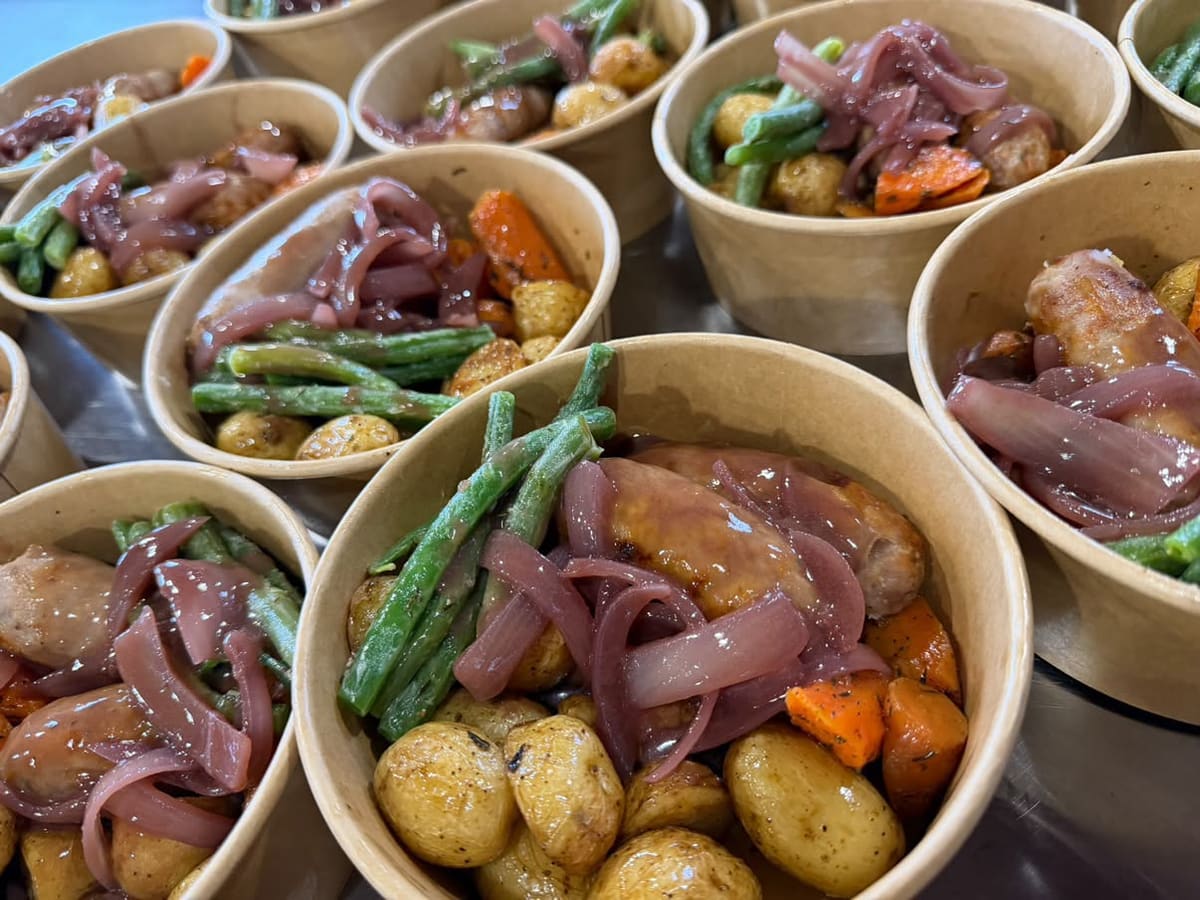
That's the gap Root & Fuel was set up to fill. We cook from whole ingredients in small batches in our Clydebank kitchen, for the fridge rather than a long shelf life, so there's no need for the industrial shortcuts. Our fresh prepared meals are as convenient as a supermarket ready meal, without the long ingredient list.
Simple swaps to start with
- Flavoured yoghurt to plain yoghurt with fruit.
- Packaged cereal to oats.
- Crisps to nuts or popcorn you make yourself.
- Reformed chicken products to plain chicken.
- Fizzy drinks to sparkling water with fruit.
If you'd rather someone else did the cooking, have a look at our monthly menu. Everything on it is cooked from scratch, and we deliver across Glasgow every Tuesday.
Quick answers
Is all processed food bad?
No. Frozen vegetables, tinned tomatoes, oats, cheese and plain yoghurt are processed but are good everyday foods. The concern is mainly with ultra-processed foods made largely from industrial ingredients and additives.
Are Root & Fuel meals ultra-processed?
No. We cook from whole ingredients in small batches in our own kitchen, without the industrial additives that define ultra-processed food.